The Hall of Mirrors - Roblox UGC Homestore
- Oct 20, 2025
- 5 min read
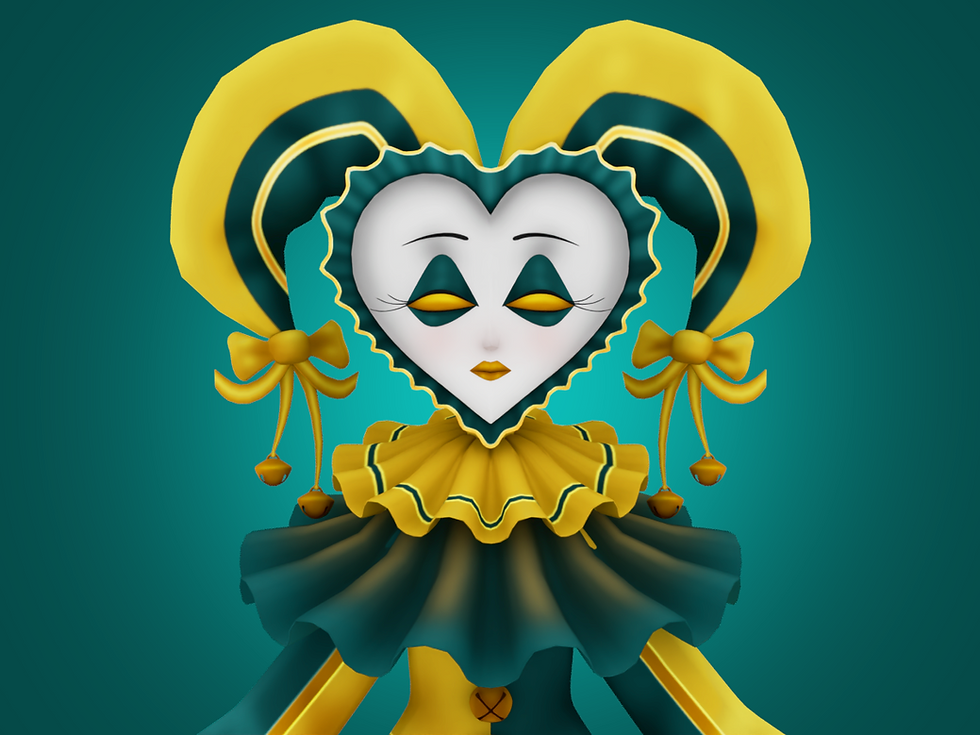
I modeled The Hall of Mirrors for my Roblox UGC homestore. A homestore is a game environment where players can try on and purchase items to customize their avatar.
Enter The Hall of Mirrors! 🚶
Approach the Magic Mirror! ✨
Change your reflection! 🤩


Here's how the game functions.
Roblox Homestores
A homestore on Roblox is a virtual shop created by players to display and sell clothing designs for avatars. These spaces are an important part of the fashion community within the platform. They combine creativity, entrepreneurship, and social interaction. A homestore allows clothing designers to showcase their collections in a three dimensional environment, offering visitors an immersive shopping experience. In addition to clothing, many of these stores also offer accessories such as hats, bags, and other wearable items that allow players to complete their outfits.
Many players visit homestores to browse and purchase virtual clothing and accessories that reflect their personal style. Each homestore is designed by its creator, so the layout and atmosphere often reflect the brand identity of the clothing group. Some have elegant and minimalist interiors, while others feature vibrant colors and themed decorations. These creative choices help attract visitors and give each store a unique character.
The concept of homestores became popular as more users began creating and wearing custom clothing and accessories. Players who enjoy designing outfits use these spaces to display their work to a larger audience. They upload their clothing and accessories to the catalog and then link them to mannequins or displays inside the homestore. Visitors can walk around the store, examine the items, and purchase them directly. This interactive method makes shopping more enjoyable than simply scrolling through a catalog.
Many clothing groups use homestores as part of their brand identity. These groups often have names, logos, and signature styles that make their collections recognizable. Some groups focus on casual wear, while others specialize in formal clothing, streetwear, uniforms, or themed costumes. Accessories such as jewelry, hats, belts, or bags often complement these collections, making the store a one stop destination for complete outfit building. The homestore acts as a showcase for these collections and allows members to interact with one another. It can also serve as a meeting place where players gather to talk about fashion, try on outfits, and support their favorite designers.
Creating a homestore requires planning and creativity. Builders use the platform’s studio tools to design the structure. They decide on the size of the building, the arrangement of displays, and the overall aesthetic. Some designers build realistic stores with glass windows, fitting rooms, and organized racks, while others prefer fantasy inspired spaces with bright lights, floating platforms, and dramatic architecture. This variety makes exploring different homestores an exciting experience.
Many successful homestores are part of larger clothing groups that have thousands of members. These groups promote their stores through social media, group announcements, and fashion shows. Hosting events inside a homestore is common, and these events may include new collection launches, themed fashion days, or meet and greet sessions with designers. This sense of community helps build loyal customers and encourages more people to participate in the fashion scene.
Homestores also provide opportunities for players to learn about entrepreneurship. Running a successful store involves creating appealing designs, managing inventory, promoting the brand, and maintaining the building. Some creators collaborate with others to split responsibilities. For example, one person might design clothing and accessories while another builds and decorates the store. This teamwork mirrors real world business practices in a simplified and creative environment.
The fashion industry on the platform has grown significantly over time, and homestores are an essential part of this development. They allow small creators to reach a larger audience without needing advanced tools or complex programming. This accessibility encourages more people to express themselves through fashion and design.
Homestores are also an important space for roleplay and socializing. Many players enjoy visiting stores with friends, trying on outfits together, and taking group pictures. Some stores even include photo booths or stages where visitors can pose in their favorite outfits. This creates a sense of connection between players and turns shopping into a shared activity rather than an individual task.
There are also specialized homestores that cater to particular themes or events. For example, some stores focus on seasonal collections such as winter wear or summer outfits. Others offer clothing and accessories inspired by specific fictional worlds, historical periods, or aesthetic trends. These specialized stores attract niche communities who share similar interests. This diversity is part of what makes the homestore culture vibrant and dynamic.
Homestores also help new designers build their reputation. Many players begin by creating small collections and displaying them in simple stores. As they gain more customers and recognition, they may expand their store or collaborate with other designers. This gradual growth encourages creativity and helps players develop their skills over time.
Another important aspect of homestores is presentation. Designers pay close attention to lighting, spacing, and display arrangement to make their clothing and accessories stand out. A well designed store makes it easy for visitors to browse collections and encourages them to stay longer. Some creators add background music or ambient sounds to make the experience more immersive.
In addition to clothing, accessories play an important role in enhancing the overall shopping experience. Many stores offer matching hats, jewelry, bags, or other pieces that can be paired with outfits. This allows players to coordinate full looks in one visit, making the store both practical and visually appealing. Accessories often help express individuality, adding another layer of creativity to the fashion community.
The homestore culture has also inspired competitions and showcases where different groups present their best designs. Fashion events on the platform often feature runway walks or themed presentations. These gatherings bring together designers, builders, and fashion enthusiasts to celebrate creativity.
Homestores are an evolving part of the platform’s economy. As more tools and design options become available, store creators find new ways to enhance their spaces. This constant evolution keeps the community active and encourages innovation. For many players, building and running a homestore is not just a hobby but also a way to express artistic vision and connect with others who share their interests.
In summary, homestores on this platform represent more than just a place to buy clothes. They are creative spaces where fashion, accessories, community, and entrepreneurship come together. Through thoughtful design, engaging events, and imaginative collections, these stores have become an essential part of the online fashion world. They provide players with the opportunity to explore their creativity, support others, and build a shared culture centered on self expression and style.
*ChatGPT helped write this post.